
Turn a signed scope into a reviewable billing schedule
Closed-won is a sales status. Finance still needs an agreed scope, billing entity and payment schedule. This worked example proposes the handoff that connects those records without treating a completed task as permission to charge.
Worked example. This is a proposed solution for a fictional operating scenario, not a client engagement. No measured results are claimed.

- The problem
- Delivery and finance re-enter contract terms, then disagree about when a milestone is ready to invoice.
- The approach
- Build an approved milestone schedule tied to the signed scope, with invoice drafting after delivery acceptance.
- Intended outcome
- The intended benefit is less re-entry and a traceable billing decision. No invoicing speed, DSO or financial return has been measured.
Example system roles CRM · signed contract store · project tracker · billing system
The handoff starts after the sale
In this scenario, a consulting firm closes work in its CRM. An operations coordinator reads the signed scope, creates the project and emails finance a billing summary. Amendments later arrive in separate messages, so the project tracker and invoice schedule can refer to different versions.
The proposal is one approved commercial record that both teams can reference. Keep contract_id, contract_version, billing_entity_id, currency and milestone_id together. A CRM opportunity amount is useful for sales reporting, but it isn't a substitute for the signed billing terms.
Translate the contract once, then approve the schedule
Operations prepares a milestone schedule with a description, amount, currency, acceptance condition and expected date. Finance checks the schedule against the signed scope. If document extraction is used, it only proposes fields; a reviewer resolves ambiguous wording and confirms the source clause.
A missing billing entity or conflicting currency blocks the schedule. Don't invent a default customer or spread the opportunity amount evenly across milestones to complete the workflow. Those choices change the commercial agreement.
Create the delivery project using the approved schedule version. Use a contract-and-version key so a repeated closed-won notification can't create a second project.
Proposed workflow
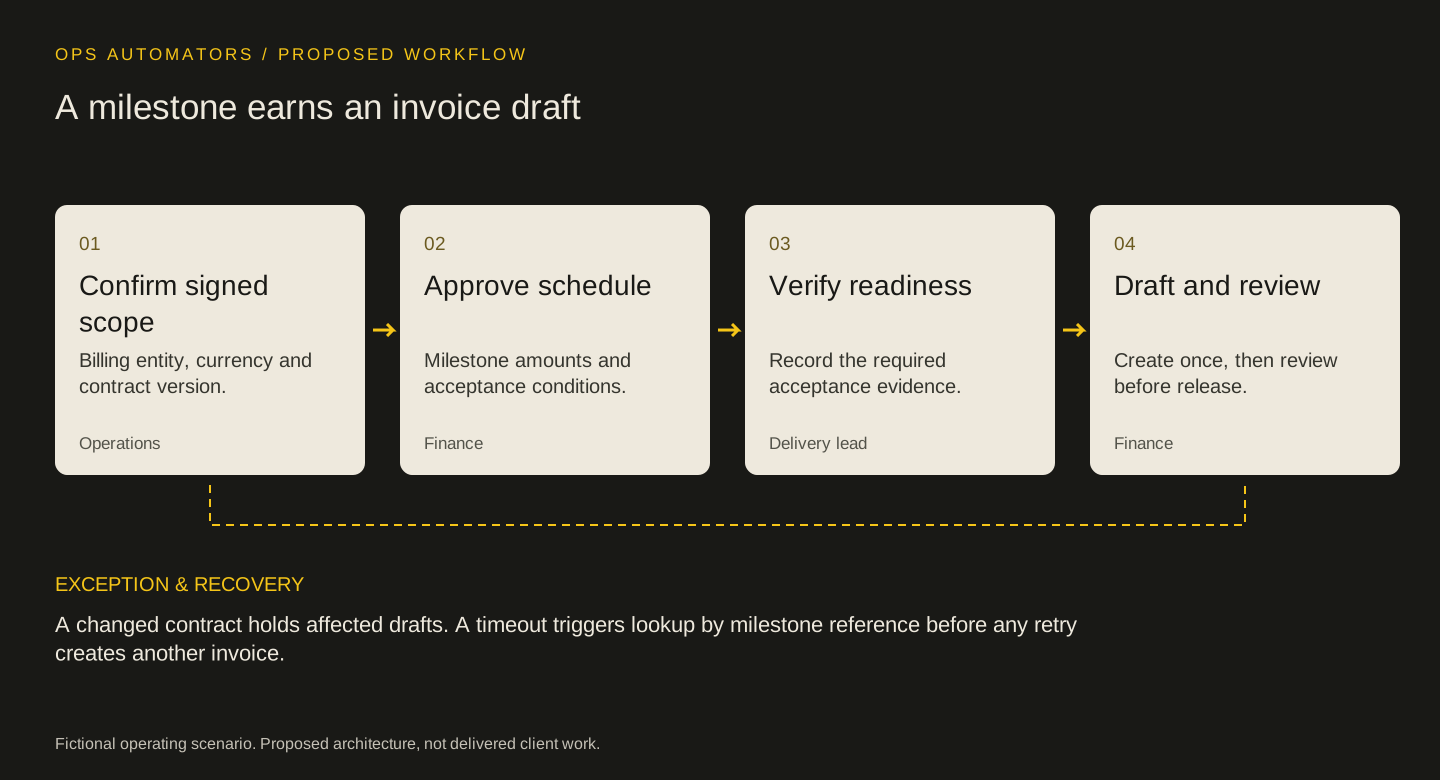
A milestone earns an invoice draft
Confirm signed scope
Billing entity, currency and contract version.
OperationsApprove schedule
Milestone amounts and acceptance conditions.
FinanceVerify readiness
Record the required acceptance evidence.
Delivery leadDraft and review
Create once, then review before release.
Finance
A changed contract holds affected drafts. A timeout triggers lookup by milestone reference before any retry creates another invoice.
Define what ready to invoice actually means
A delivery task marked done means the team finished work. The contract might require client acceptance, a date or another condition before billing. Store the required evidence against the milestone and have the accountable person confirm it.
Once that condition is met, create an invoice draft using milestone_id as part of the duplicate-prevention key. Finance reviews the amount, recipient, tax treatment and supporting evidence before release. Tax and accounting choices remain the finance team's responsibility.
If the invoice API times out, look for an existing draft with the external reference before creating another. A successful project update followed by a billing failure should leave the milestone marked pending billing, with an owner.
A changed scope invalidates an old approval
An amendment creates a new contract version. Compare affected milestones and hold any unsent draft that depends on changed terms. Finance decides whether to revise the draft, issue a credit or use another supported correction process for an already issued invoice.
Keep history. Overwriting the original schedule makes it impossible to explain why delivery and finance acted on different amounts. Operations owns project structure; the delivery lead owns acceptance evidence; finance owns release and reconciliation.
Pilot one contract shape
Choose a standard milestone contract and rehearse a normal milestone, a partial acceptance, an amendment and a repeated trigger. Keep manual reconciliation during the pilot. Review milestones with no draft and drafts with no approved milestone.
Measure time from verified billing readiness to draft creation separately from readiness to invoice release. Waiting for client acceptance is a different bottleneck from retyping line items. A DSO change also depends on payment terms, collections and customer behavior.
Keep this part
Contract-to-invoice mapping
Automate invoice preparation only after the business has agreed what makes an invoice due.
| Source | Destination | Validation |
|---|---|---|
| Signed contract ID + version | Project commercial reference | Approved version exists |
| Billing entity and currency | Invoice customer and currency | Finance confirms the match |
| Milestone ID and amount | Invoice line external reference | One active draft per eligible milestone |
| Acceptance condition | Billing-readiness evidence | Required approval is recorded |
| Amendment | New schedule version | Affected drafts held for review |
Use the example to agree the rules, then fill in the blank sheet with your own records and owners. Downloads are free; no email required.
Evidence & limits
How to evaluate the proposal
For a comparable set of milestones, record ready_at, draft_created_at, approved_at and sent_at. Log correction time and rejected drafts. Time released is capacity; cash flow and attributable revenue require separate evidence.
- Commercial terms, tax treatment and supported billing correction methods need finance review.
- This example doesn't include a deployed connector or a measured customer outcome.
Sources & implementation context
- Stripe webhook delivery behavior
Supports the need to handle repeat events and separate receipt from downstream work.
The design decisions and worksheets are original worked-example material. Vendor documentation supports specific platform behavior, not a claim that this implementation has been delivered.
How this page was prepared
AI assisted the research, drafting and conceptual artwork, helping compare source material and turn the workflow into a reusable worksheet. The scenario is fictional and the design is a proposal. The stated sources and limitations define the evidence available. No independent expert review or client result is implied.
About the team commissioning this collectionContinue with the useful detail
Where this connects.


Your next step
Does finance have to reconstruct every deal?
Bring a redacted scope and the fields finance needs for the first invoice. We'll map the approval and system handoffs.