
Automated Scoping Agent: turn a scattered brief into a reviewable proposal
Every proposal starts with someone reading scattered scope material, interpreting the work, and rebuilding a price and presentation. The same information is then entered into several systems.
A fictional operating scenario and proposed solution. No named organization or measured customer result is represented.

- The problem
- Every proposal starts with someone reading scattered scope material, interpreting the work, and rebuilding a price and presentation. The same information is then entered into several systems.
- The approach
- Collect and interpret scope materials → Prepare a priced estimate for review → Create the proposal and sales handoff.
- Intended outcome
- A reviewer can follow the proposal back to the scope assumptions, estimated work, and agreed pricing rules.
Example system roles Custom application · connected business records · explicit rules · human review
Collect the work before pricing it
A services team receives notes, documents, and an incomplete list of desired changes. The proposal writer has to distinguish requirements from assumptions before estimating effort.
The proposed intake keeps those materials with a structured scope. Unsupported details become open questions. A polished proposal should not hide uncertainty in the underlying request.
Separate interpretation from the estimate
An AI-assisted step can organize the brief, but the estimate should apply an explicit pricing model. A reviewer needs to see the work items and assumptions that produced the number.
Changes to scope should create a revised estimate rather than silently altering a proposal already shared. Keep exclusions and dependencies beside the price.
Proposed workflow
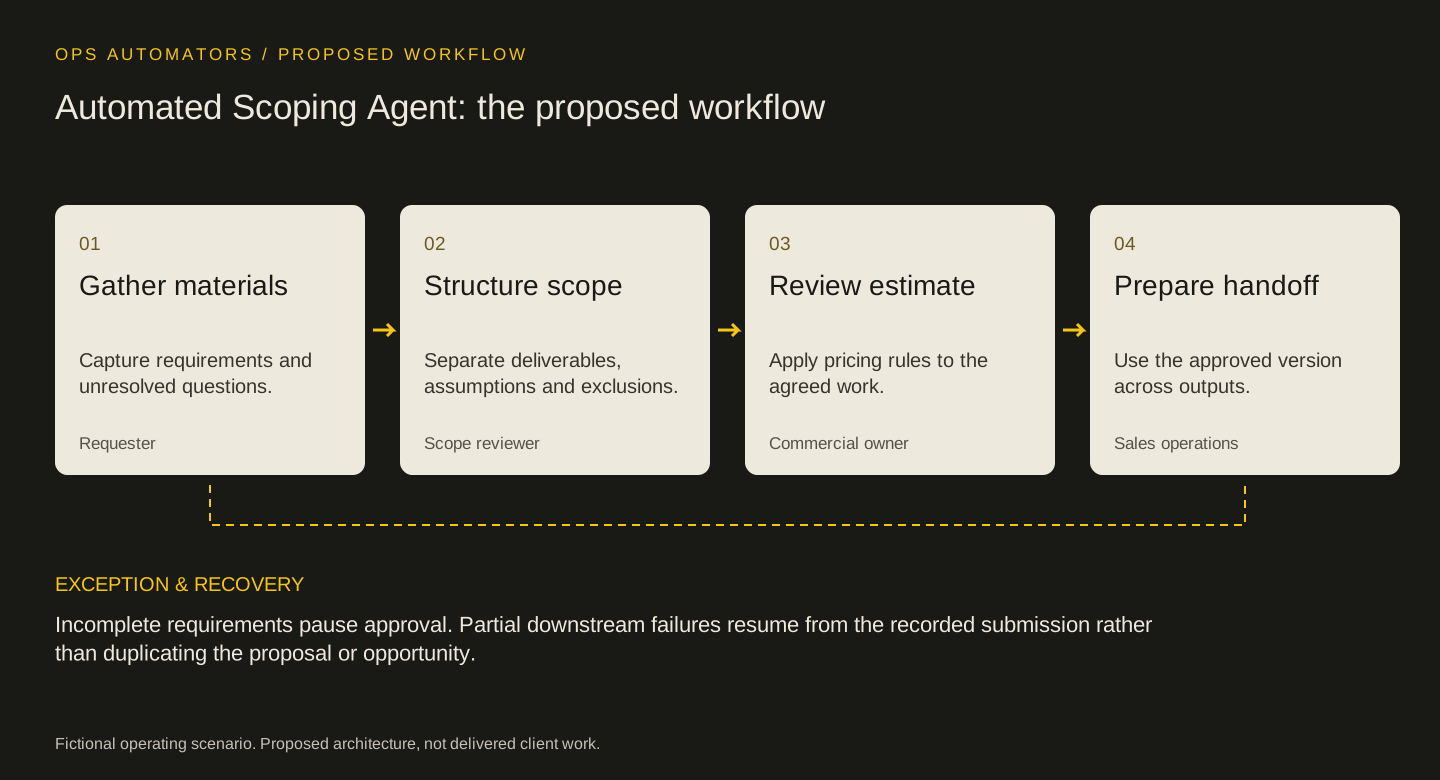
Automated Scoping Agent: the proposed workflow
Gather materials
Capture requirements and unresolved questions.
RequesterStructure scope
Separate deliverables, assumptions and exclusions.
Scope reviewerReview estimate
Apply pricing rules to the agreed work.
Commercial ownerPrepare handoff
Use the approved version across outputs.
Sales operations
Incomplete requirements pause approval. Partial downstream failures resume from the recorded submission rather than duplicating the proposal or opportunity.
Carry the approved version forward
Once approved, the same version supplies the proposal, opportunity details, and delivery handoff. Each downstream record retains a reference to the reviewed submission.
If document generation succeeds but the CRM write fails, retry the missing step using the same submission identity. Do not create a second opportunity just because the user clicked again.
Keep this part
Automated Scoping Agent decision sheet
The proposal should preserve the reasoning behind the price, not just present a confident-looking total.
| Situation to test | Expected behavior | Review and ownership |
|---|---|---|
| Unclear requirement | Open question in the scope | Reviewer resolves before approval |
| Scope changes | New estimate version | Commercial owner reviews the revision |
| Partial submission | Retry only the missing step | Operations verifies output identities |
Use the example to agree the rules, then fill in the blank sheet with your own records and owners. Downloads are free; no email required.
Evidence & limits
How to evaluate the proposal
Compare preparation time for comparable scopes and count revisions caused by missing requirements. Record duplicate or incomplete handoffs during a pilot. No time savings or pricing accuracy are claimed.
- This worked example is a proposed design, not access to a production application.
- Implementation depends on source data, access rules, and policies agreed with the responsible team.
The design decisions and worksheets are original worked-example material. Vendor documentation supports specific platform behavior, not a claim that this implementation has been delivered.
How this page was prepared
AI assisted the research, drafting and conceptual artwork, helping compare source material and turn the workflow into a reusable worksheet. The scenario is fictional and the design is a proposal. The stated sources and limitations define the evidence available. No independent expert review or client result is implied.
About the team commissioning this collectionContinue with the useful detail
Where this connects.


Your next step
Does every estimate get rebuilt from scratch?
Bring a recent scope and the proposal it became. We can map the pricing rules and the handoff into sales.