
An approval belongs to the request that was reviewed
A manager approves a purchase. Someone changes the amount afterward. This worked example proposes a versioned request that can explain exactly what was approved before an order is issued.
Worked example. This is a proposed solution for a fictional operating scenario, not a client engagement. No measured results are claimed.

- The problem
- An approval flag survives changes to the amount, supplier or scope that the reviewer actually saw.
- The approach
- Bind approval to an immutable request version and recheck that version before release.
- Intended outcome
- The intended benefit is a defensible approval trail and fewer stale decisions. No compliance certification or processing-time result is claimed.
Example system roles Request form · purchasing record · approval interface · purchase-order system
The approved checkbox is too small a data model
In this example, a manager approves a purchase by email. The requester later edits the amount, while the approved flag stays true. Purchasing now has a decision and a request, but no evidence that they refer to the same terms.
The proposal treats approval as a record: request_id, request_version, approver_id, decision, decided_at and policy_version. Keep the exact amount, currency, supplier and scope reviewed with that version.
Decide which changes matter
The policy owner defines material fields. In this example, changing supplier, currency, total amount or scope invalidates the old release approval. Correcting an internal reference may not, but the edit should still be recorded.
Do not hide policy decisions inside arithmetic. Thresholds need a currency basis, treatment of taxes and delivery costs, and a rule for related requests. The example doesn't prescribe a financial approval limit.
A reviewer sees the current request and its supporting evidence. Delegation has a start, end and scope; it is not permission for anyone with the notification link to approve.
Proposed workflow
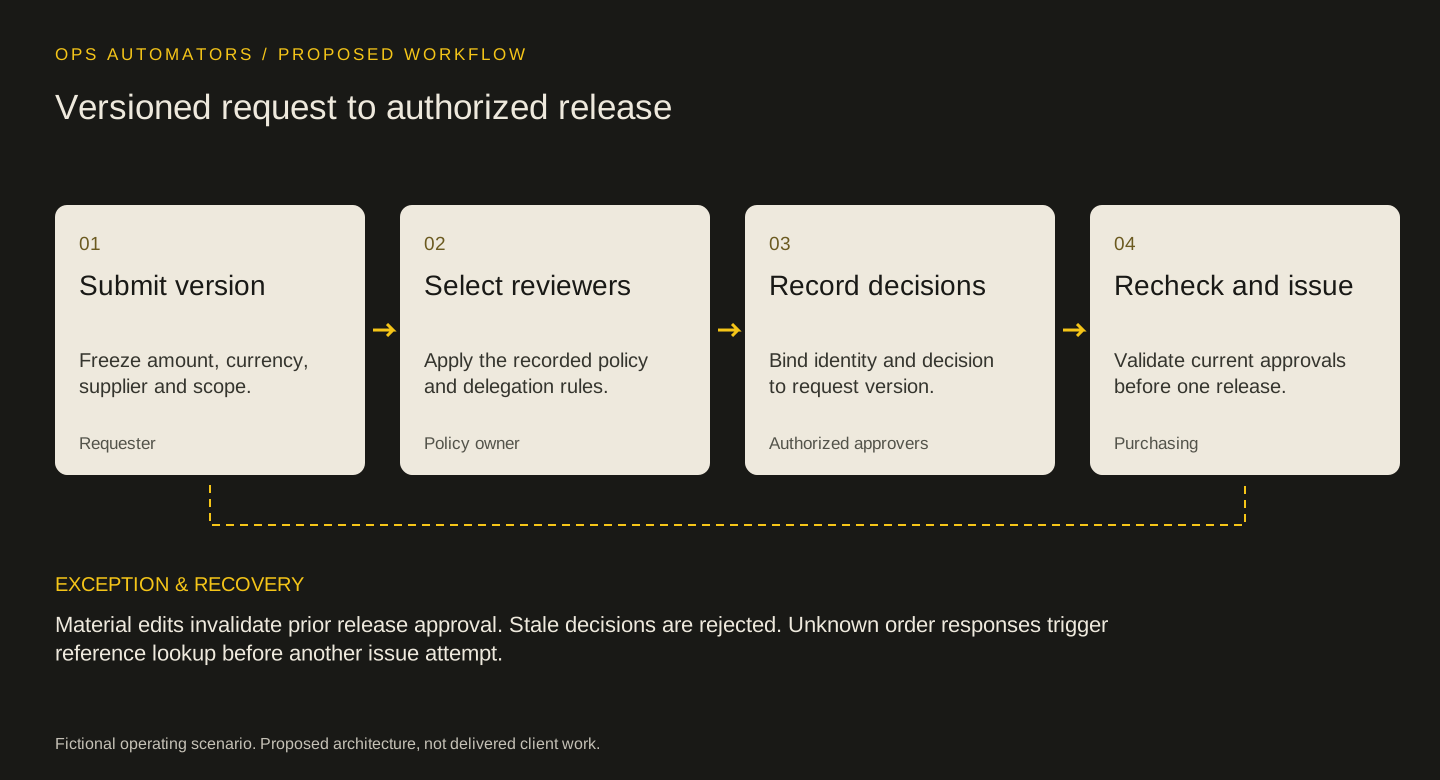
Versioned request to authorized release
Submit version
Freeze amount, currency, supplier and scope.
RequesterSelect reviewers
Apply the recorded policy and delegation rules.
Policy ownerRecord decisions
Bind identity and decision to request version.
Authorized approversRecheck and issue
Validate current approvals before one release.
Purchasing
Material edits invalidate prior release approval. Stale decisions are rejected. Unknown order responses trigger reference lookup before another issue attempt.
Prevent a stale click from becoming a purchase
An approval link carries a request reference, but authorization is checked when the reviewer opens and submits it. If the request version changed, show the updated request and require a fresh decision. The old click should not approve the new amount.
Immediately before issuing the purchase order, verify that the current version has the required decisions. Use a request-version release key to prevent a double click or retry from issuing another order.
The requester and approver roles should follow the organization's separation-of-duties policy. Enforcing a role check in the backend matters more than hiding a button.
Absence and API failure need different queues
An unavailable approver follows the agreed delegation or escalation policy. A purchase-order API outage keeps the request approved but unreleased. Conflating those states causes people to seek another approval when the actual problem is delivery.
If order creation times out, check by the external release reference before retrying. Record the destination ID once known. If the request changes while release is pending, hold it for purchasing review rather than racing the two operations.
The purchasing owner reviews aging requests, expired delegations and unreleased approvals. Policy changes should be versioned and tested against existing requests before rollout.
Keep the release permission narrow
The integration should be able to issue only the type of order this process needs. Reviewers shouldn't need broad purchasing-administrator access to make a decision. Record the human approver and the system actor separately so an order doesn't appear to have been approved by the service account that transmitted it.
A small pilot can expose the important failures
Rehearse an amount change after approval, an expired delegate, two simultaneous approval clicks and an unknown order-creation response. Confirm that the release record points to the exact approved version.
If an existing procurement product already enforces these rules, use it. The custom work is the boundary between systems that otherwise lose request identity or approval state.
Keep this part
Request revision decision matrix
Ask what version was approved, not only whether the request is approved.
| Change or event | Example rule | Release behavior |
|---|---|---|
| Amount changes | Material revision | Hold for fresh approval |
| Supplier changes | Material revision | Review supplier and request again |
| Internal reference corrected | Nonmaterial if policy permits | Keep history and approved commercial version |
| Delegate expires | Authority no longer current | Select authorized reviewer |
| Old approval link used | Version mismatch | Show current version and require a new decision |
| Order response unknown | Integration uncertainty | Look up release reference; do not issue blindly |
Use the example to agree the rules, then fill in the blank sheet with your own records and owners. Downloads are free; no email required.
Evidence & limits
How to evaluate the proposal
Track request-to-decision and approval-to-release time separately. Count stale decisions blocked and requests returned for missing information. Report policy versions and the pilot window before comparing throughput.
- Approval limits, roles, delegation and material-change rules are organizational policy inputs.
- This design cannot establish regulatory compliance by itself.
- A technically valid approval is still subject to the business authority and purchasing policy that define it.
The design decisions and worksheets are original worked-example material. Vendor documentation supports specific platform behavior, not a claim that this implementation has been delivered.
How this page was prepared
AI assisted the research, drafting and conceptual artwork, helping compare source material and turn the workflow into a reusable worksheet. The scenario is fictional and the design is a proposal. The stated sources and limitations define the evidence available. No independent expert review or client result is implied.
About the team commissioning this collectionContinue with the useful detail
Where this connects.


Your next step
Can your approval trail survive an edited request?
Bring the request fields and approval policy. We can identify which changes need a new decision and where to enforce the release check.